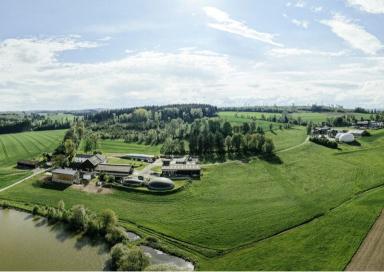
The Wilo Group has officially launched a new, innovative energy concept at its site in Hof, Germany, marking a significant step forward in sustainable industrial development. Together with representatives from the region’s political, business, academic, and agricultural sectors, the water technology group celebrated the successful completion of a project that combines climate protection, security of energy supply, and regional value creation.
A Vision for Sustainable Transformation
Oliver Hermes, President & Global CEO of the Wilo Group, emphasized the broader significance of the project: “Sustainable transformation can only succeed if environmental responsibility, industrial competitiveness, and innovative power in the field of technology are consistently considered together. The project in Hof is an impressive example of how a future-proof energy supply can be developed for manufacturing sites – through creativity, partnerships based on mutual respect, and measurable impact.”
The Heart of the Concept: Renewable Energy Integration
At the core of the new energy system is the complete transition away from fossil fuels for heating. The Wilo plant in Hof now uses heat derived exclusively from renewable raw materials, thanks to an integrated system comprising:
- Biogas heat from a local farm’s biogas plant, which uses slurry as feedstock.
- Wood chip heating from a second farm, which processes wood residues from Wilo’s own production (around 300 tonnes annually) into fuel.
This integrated approach has delivered impressive results:
- Reduces the site’s CO₂ emissions by approximately 1,600 tonnes per year (based on a feasibility study comparing the current system to a fossil fuel-based alternative).
- Cuts heating oil consumption from approximately 179,000 litres a year to zero.
- Covers around 60% of the site’s electricity demand through renewable energy sources.
Collaboration and Implementation
The project, launched in 2023, involved significant infrastructure development, including:
- Construction of a district heating pipeline approximately 1.3 kilometres long.
- New power supply infrastructure.
- Extensive modifications to production and building services systems.
Wilo is cooperating closely with two farms in the immediate vicinity for the project, creating a circular economy model where agricultural waste and production residues become valuable energy resources.
Strategic Fit with Global Sustainability Goals
During the inauguration ceremony, Georg Weber, Global CTO of the Wilo Group, explained how the Hof project fits into the Group’s global sustainability strategy. Site Manager Thomas Lang presented the project results and technical details. The new energy supply was symbolically commissioned in the presence of representatives from the political sphere and the local community, underscoring the project’s regional importance.
A Blueprint for Industrial Decarbonisation
The Hof energy concept demonstrates how industrial sites can achieve deep decarbonisation through:
- Partnerships with local agricultural and forestry stakeholders.
- Circular resource use (turning production waste into energy).
- Integrated renewable energy systems (combining biogas and biomass).
- Measurable impact on emissions and fossil fuel consumption.
This project serves as a replicable model for other manufacturing sites, showing that industrial competitiveness and environmental responsibility can go hand in hand through creativity, collaboration, and a commitment to sustainable transformation.