
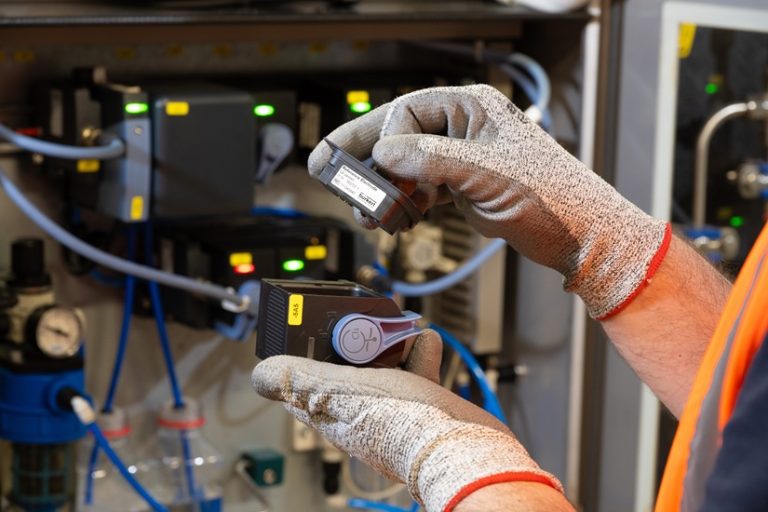
In the world of renal healthcare, water quality isn’t just a technical detail — it’s a matter of patient safety. For individuals undergoing dialysis, the purity of treatment water directly affects outcomes and overall well-being. One critical water quality parameter is chlorine, which must be effectively removed before dialysis to safeguard patients from harmful reactions. Recent advances in sensing technology and filtration systems are transforming how clinics and healthcare facilities monitor and control chlorine levels in dialysis water.
🧪 Why Chlorine Matters in Dialysis
Chlorine — whether added as a disinfectant in municipal water supplies or introduced through treatment processes — can be toxic when it enters the bloodstream during dialysis. Exposure may cause hemolysis, inflammation, respiratory distress, or other adverse physiological responses. Regulatory standards for dialysis require ultra-tight control of chlorine and related disinfection by-products at sub-ppm levels.
🔍 The Rise of Advanced Sensing
Traditional chlorine measurement methods often rely on periodic manual testing, which can leave gaps in real-time visibility. Emerging advanced chlorine sensors now provide continuous monitoring, enabling facilities to detect even trace amounts instantly. These high-precision electrochemical or optical sensors offer:
- Real-time data and alerts
- High sensitivity at low concentrations
- Robust performance in complex water matrices
- Automated integration with control systems
Such sensors empower dialysis units to stay ahead of fluctuations in water quality, triggering immediate corrective action and improving patient safety margins.
💧 Modern Filtration Meets Automation
Advanced sensing isn’t the only innovation. Modern chlorine filtration systems, paired with smart monitoring, can adjust to changing water conditions — optimizing media life, reducing manual interventions, and decreasing the risk of off-spec water reaching dialysis circuits. Features often include:
- Automated backwash cycles
- Filter media performance tracking
- Centralised dashboards for technicians
- Alert systems for out-of-range indicators
📈 The Impact on Healthcare Delivery
By combining next-generation sensors and intelligent filtration systems, dialysis providers can:
- Enhance patient safety and care quality
- Reduce downtime and maintenance costs
- Ensure compliance with stringent regulatory standards
- Improve operational efficiency and staff responsiveness
As healthcare technology advances, integrated water quality monitoring stands out as a key enabler of safe, reliable, and high-quality dialysis care.
📌 Key Takeaways
- Chlorine must be removed from dialysis water to prevent patient harm.
- Advanced real-time chlorine sensors improve visibility and safety.
- Automated filtration paired with smart sensing enhances reliability.
- Integrated systems help healthcare facilities maintain compliance and operational excellence.