
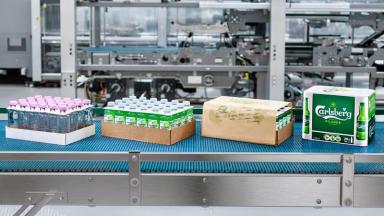
Packaging is often the last thing specified—and the first thing blamed. Yet in today’s complex supply chains, sustainability-driven markets, and experience-focused consumer landscape, packaging is no longer a cost center. It’s a strategic lever that influences product integrity, brand perception, operational efficiency, and environmental impact.
This specialist article explores why packaging matters more than ever—and how getting it right delivers measurable value across the entire product lifecycle.
🎯 Why Packaging Is a Strategic Priority Now
| Market Pressure | Packaging’s Strategic Role |
|---|---|
| Supply chain volatility | Robust, right-sized packaging reduces damage, delays, and reverse logistics costs |
| Sustainability mandates | Circular design, material reduction, and recyclability support ESG goals and regulatory compliance |
| E-commerce growth | Ship-ready packaging that survives last-mile delivery without over-engineering |
| Consumer expectations | Unboxing experience, transparency, and convenience influence purchase decisions and loyalty |
| Operational efficiency | Standardized, automation-compatible packaging accelerates filling, labeling, and palletizing |
For manufacturers, the question isn’t whether to invest in packaging—it’s how to engineer it for maximum impact across technical, commercial, and sustainability dimensions.
🔧 The Four Pillars of High-Performance Packaging
✅ 1. Protection First: Engineering for Integrity
Packaging’s foundational role is preserving product quality from production to point of use:
🔹 Barrier properties – Moisture, oxygen, light, and contamination control for sensitive products
🔹 Structural resilience – Drop testing, compression strength, and vibration resistance for global logistics
🔹 Compatibility validation – Ensuring packaging materials don’t interact with product chemistry (critical for pharma, food, chemicals)
“A package that fails in transit isn’t just a loss—it’s a brand incident. Engineering for protection isn’t optional; it’s existential.”
— Packaging Engineering Leadership
✅ 2. Efficiency by Design: Optimizing for Speed and Scale
Great packaging doesn’t just protect—it enables:
🔹 Automation readiness – Consistent dimensions, gripper-friendly surfaces, and machine-readable codes for high-speed lines
🔹 Cube optimization – Right-sized packaging reduces shipping costs, warehouse footprint, and material waste
🔹 Changeover agility – Modular formats and quick-adjust tooling minimize downtime during SKU switches
✅ 3. Sustainability Embedded: From Linear to Circular
Modern packaging must align with planetary boundaries:
♻️ Material intelligence – Recycled content, mono-material construction, and bio-based alternatives where performance allows
♻️ Design for recovery – Easy separation of components, clear recycling instructions, and compatibility with existing waste streams
♻️ Lightweighting – Reducing material use without compromising protection lowers embodied carbon and transport emissions
✅ 4. Experience Amplified: The Unboxing Moment
In DTC and premium segments, packaging is part of the product:
✨ Brand storytelling – Visual design, tactile finishes, and informative content that reinforce value proposition
✨ User-centric functionality – Easy-open features, resealability, and portion control that enhance usability
✨ Digital integration – QR codes, NFC tags, or AR triggers that connect physical packages to digital engagement
🌍 Industry Spotlight: Where Packaging Delivers outsized Value
| Sector | Packaging Priority | Strategic Impact |
|---|---|---|
| Food & Beverage | Freshness preservation, portion control, recyclability | Reduced waste, extended shelf life, compliance with plastic regulations |
| Pharmaceutical & Biotech | Sterility assurance, tamper evidence, serialization | Patient safety, regulatory compliance, supply chain security |
| Industrial & Chemical | Hazard containment, UN certification, bulk efficiency | Worker safety, transport compliance, cost-per-unit optimization |
| Consumer Electronics | Premium unboxing, component protection, e-commerce readiness | Brand differentiation, reduced returns, sustainable material adoption |
| E-commerce Fulfillment | Ship-in-own-container design, damage prevention, minimal void fill | Lower shipping costs, fewer customer complaints, reduced environmental footprint |
💡 The ROI of Strategic Packaging: Where Value Accrues
| Investment Area | Typical Return |
|---|---|
| Material optimization | 10–25% reduction in packaging spend + lower freight costs |
| Automation-compatible design | 15–30% faster line speeds + reduced labor dependency |
| Sustainable material adoption | Enhanced brand equity + eligibility for green procurement programs |
| Damage reduction engineering | 20–40% fewer returns/warranty claims + improved customer satisfaction |
| Digital packaging integration | Richer consumer data + personalized engagement opportunities |
*Based on industry benchmarks; actual results vary by application and implementation.
🔁 Innovation Frontiers: What’s Next in Packaging?
The packaging landscape is evolving rapidly. Watch these emerging trends:
🔹 Smart packaging – Time-temperature indicators, freshness sensors, and anti-counterfeit authentication
🔹 Reusable systems – Refillable containers, returnable totes, and deposit-return infrastructure for circular models
🔹 AI-driven design – Generative algorithms that optimize structure, material use, and sustainability metrics simultaneously
🔹 On-demand customization – Digital printing and flexible manufacturing enabling micro-runs and personalized packaging
🔹 Bio-material advancement – Seaweed-based films, mycelium foams, and agricultural waste composites scaling beyond niche applications
🌱 Sustainability Through Systems Thinking
True packaging sustainability requires holistic evaluation:
♻️ **Lifecycle assessment **(LCA) – Measure impacts from raw material extraction to end-of-life, not just recyclability claims
♻️ Supply chain collaboration – Work with suppliers, converters, and waste managers to close material loops
♻️ Consumer education – Clear labeling and communication drive proper disposal and recycling behavior
♻️ Policy alignment – Proactively adapt to EPR (Extended Producer Responsibility), plastic taxes, and recycled content mandates
“Sustainable packaging isn’t about perfection—it’s about progress. Every gram reduced, every material switched, every design optimized moves us closer to a circular future.”
— Sustainability Packaging Leadership